Focus on Thermocouples – Why Precise Temperature Measurement Is Important.

Accurate temperature measurement isn't just an option—it's essential. Thermocouples are widely used, but measurement errors can skew the results. Learn how thermocouples work, what sources of error exist, and how to avoid them—for more precise and reliable measurements.

February 13, 2025|5Minutes|In Thermocouples

Hi, from Stapelfeld!

For over 30 years, we have been specializing in temperature measurements using thermocouples in industrial applications—from metal processing to power plants to the food industry.

There's one question that comes up again and again:
Just how accurate does a temperature measurement actually need to be?


Our clear answer:
Precision isn't optional—it's a must! Even small measurement errors can have serious consequences.

In this article, we’d like to show you why precise temperature measurements are essential, what role thermocouples play in this process, and what you should keep in mind to avoid measurement errors.

So let's get right to it.

Why is accurate temperature measurement so important?

In our work, we have often observed that temperature measurements are treated as “rough guidelines.” Yet even small deviations can cause major problems—whether in production, in the laboratory, or in technical processes.

Here are a few typical examples we've encountered in practice:

Industry Possible Consequences of Inaccurate Temperature Measurements
Metalworking Incorrect curing or melting temperatures lead to material defects
Chemical Industry Reactions proceed in an uncontrolled or inefficient manner
Food Industry Risk of bacterial growth due to improper sterilization or refrigeration
Medicine & Pharmaceuticals Unreliable medications or inaccurate diagnoses
Energy Sector Overheating or inefficient combustion

What Are Thermocouples? An Introduction to the Technology

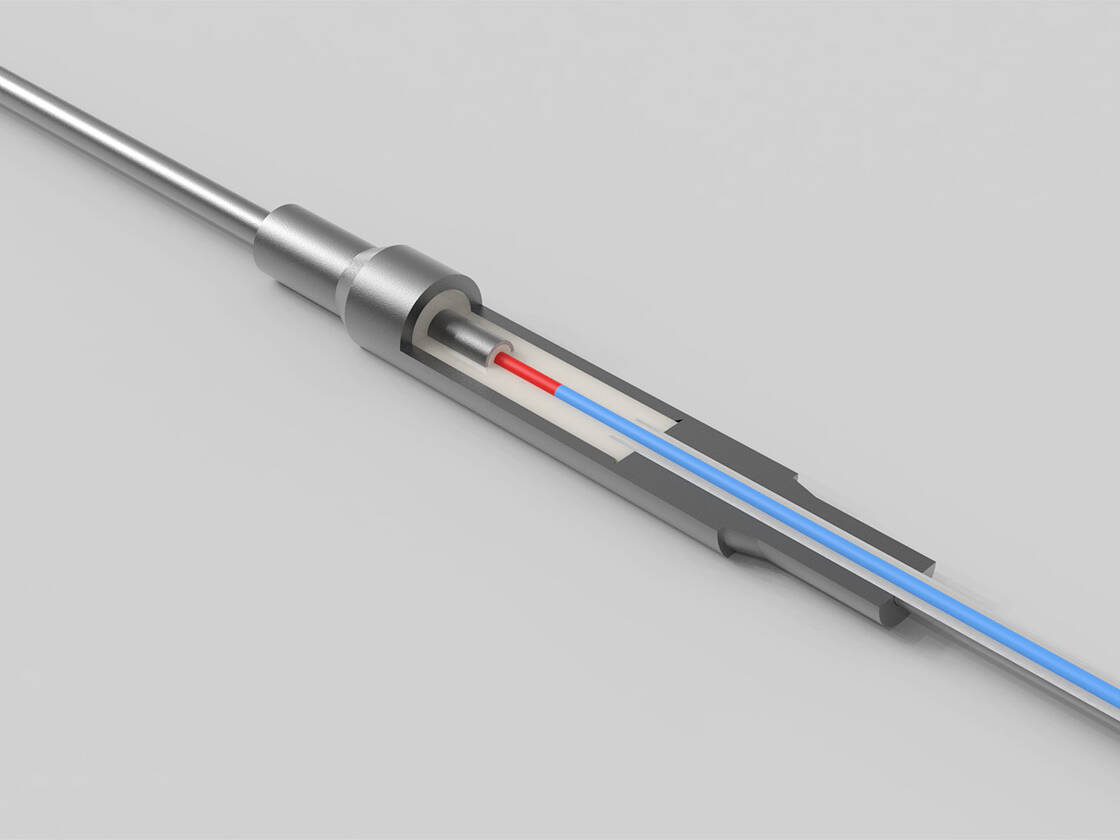
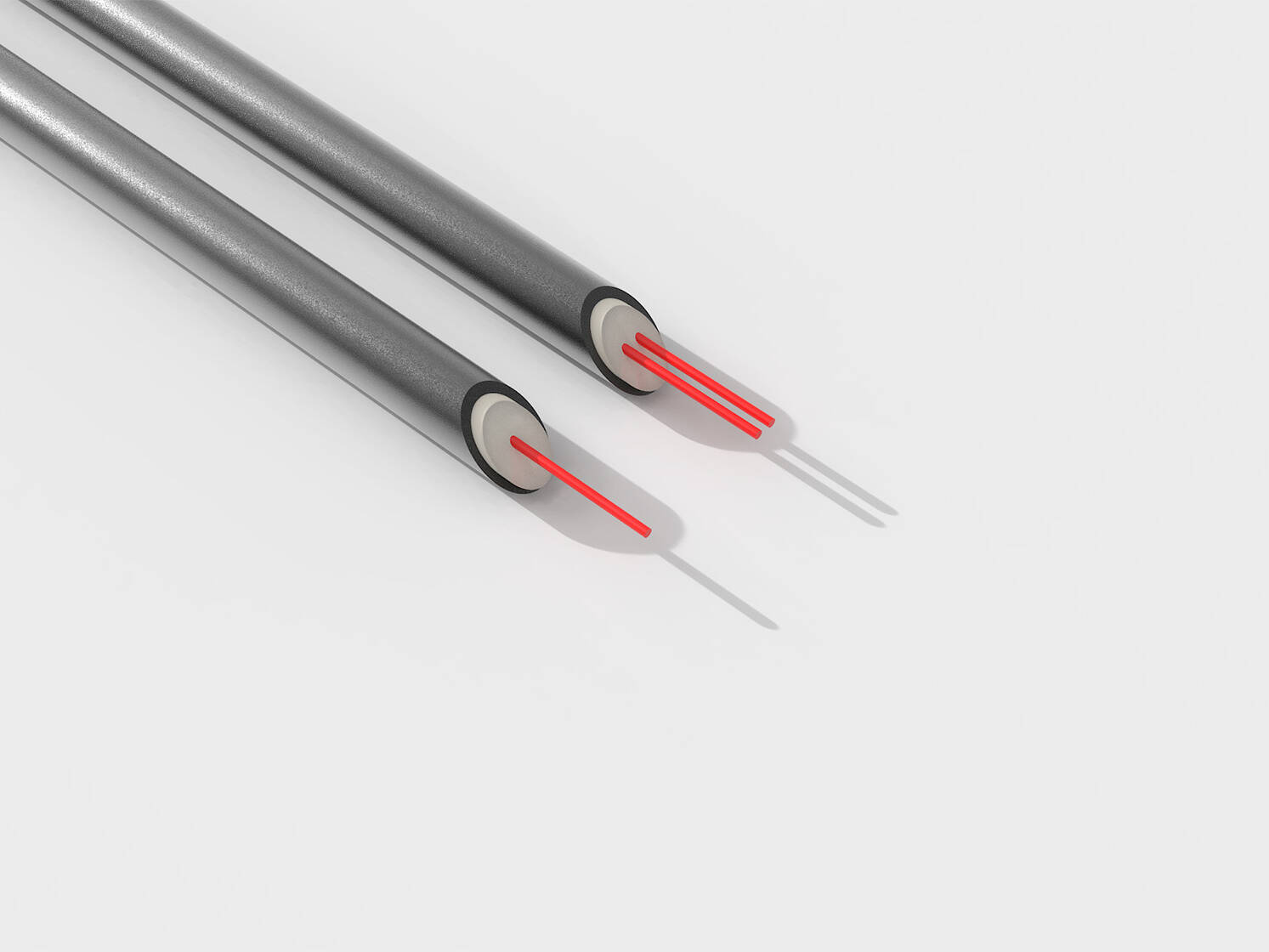
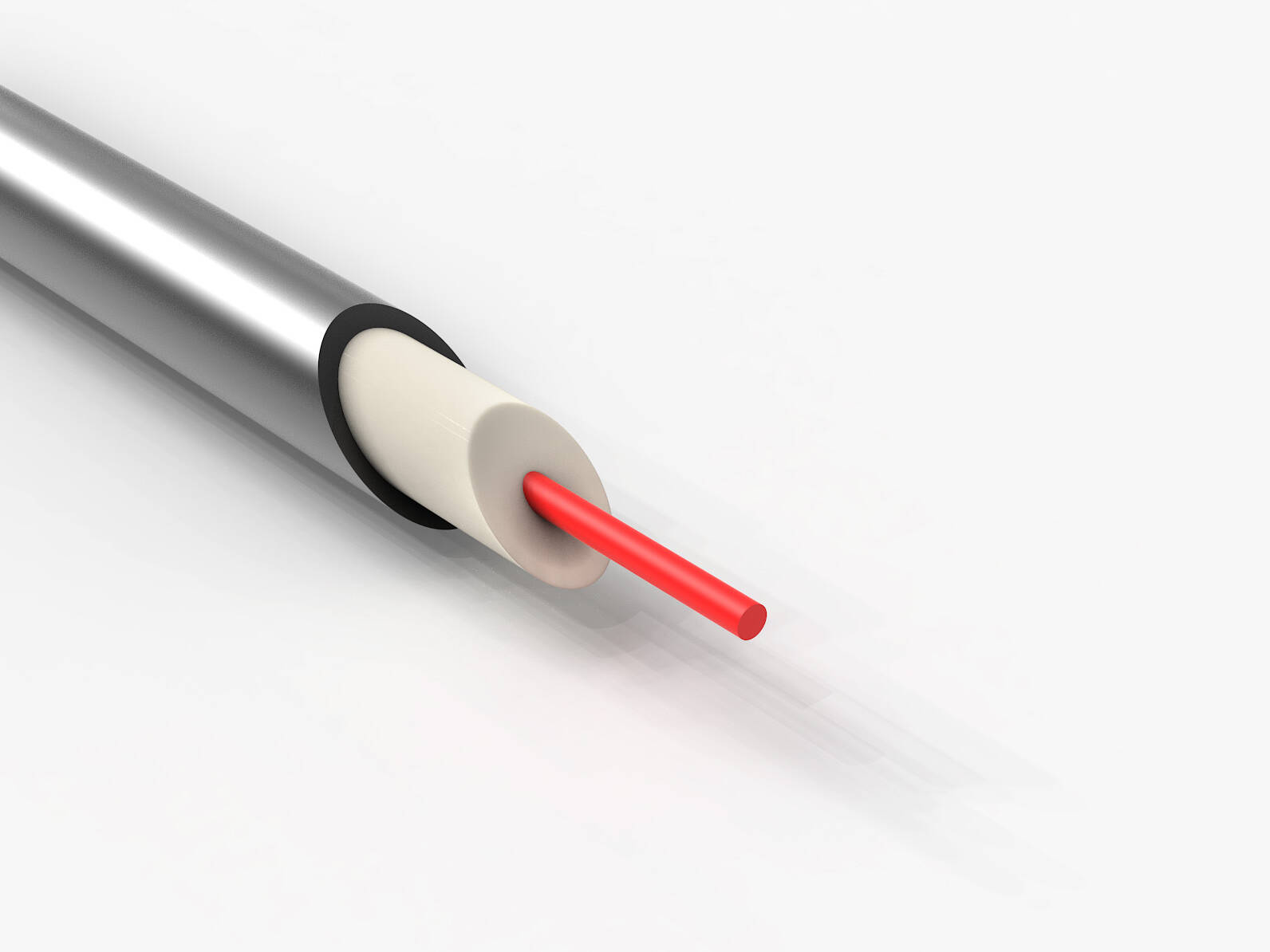
A thermocouple is a measuring device that measures temperature and is based on the Seebeck effect. It consists of two connected metal conductors through which an electromotive force is generated.

Physical Background: The Seebeck Effect:
When two different metals are joined together, an electric voltage is generated at their junction if there is a temperature difference between them. This voltage can be measured and converted into an accurate temperature reading.


Why Thermocouples?

  • They measure temperatures ranging from -270°C to +2300°C.
  • They react quickly to changes in temperature.
  • They are rugged and operate reliably under extreme conditions.


In practice, this means that whether in a blast furnace or in a laboratory with frozen samples, thermocouples provide fast and reliable measurements.

An Overview of the Most Important Thermocouple Types

There are different types of thermocouples depending on the application. In my experience, choosing the wrong thermocouple often leads to inaccurate measurements or even complete failure.

Here is an overview of the most common types:

Type Material Temperature range Areas of application
K NiCr-Ni -270 °C to +1250 °C Industrial Applications, Mechanical Engineering
J Fe-CuNi –40 °C to +750 °C Plastics Industry, Packaging Industry
J NiCr-CuNi –200 °C to +900 °C Aviation, Refrigeration Systems
T Cu-CuNi –200 °C to +400 °C Cryogenics, Vacuum
T S/R/B up to +1820 °C High-Temperature Measurements

Our tip:
Type K is the “all-rounder” in the industry, capable of handling a wide range of applications. However, if you have specific applications or need custom solutions, feel free to call or email us. We’re happy to help.

Common Sources of Error and How to Avoid Them

In practice, we see the same mistakes over and over again when it comes to thermocouples.


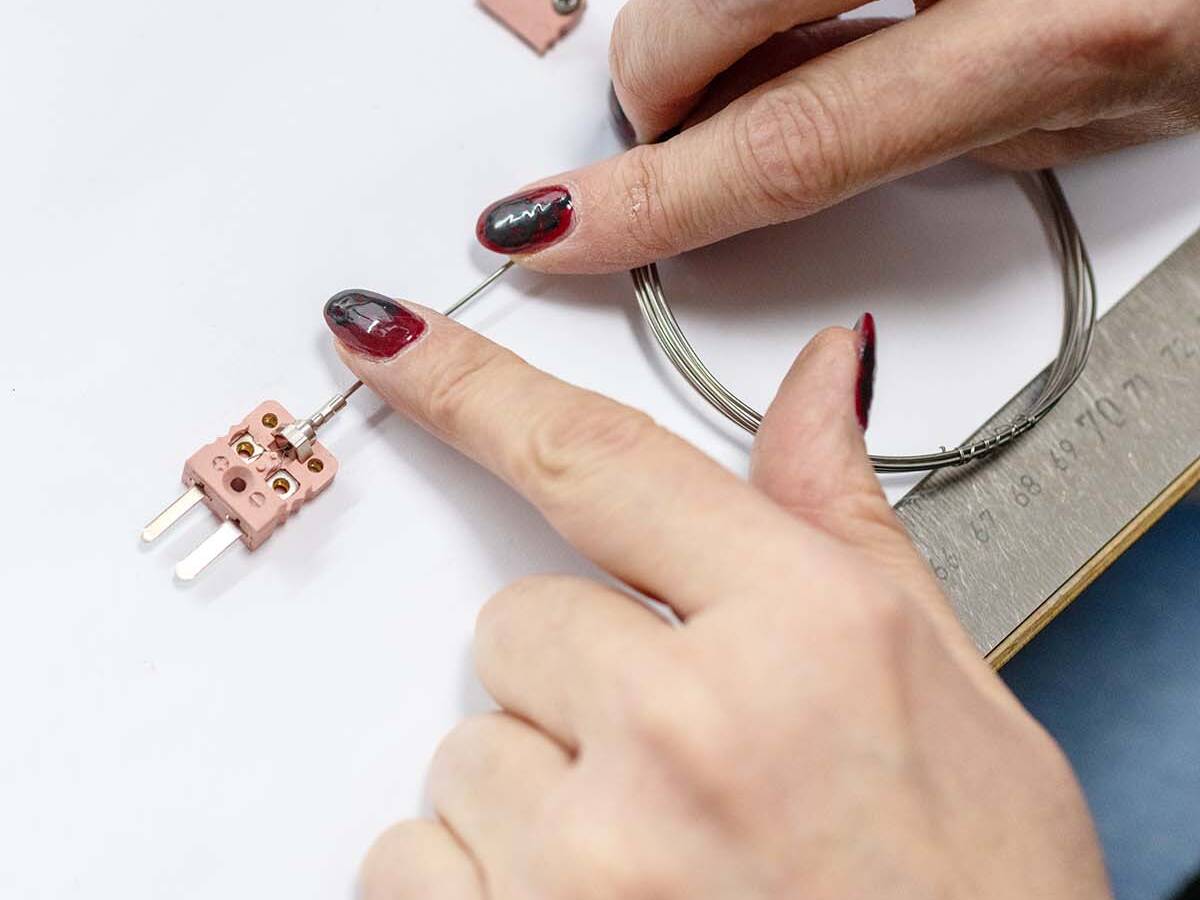
Error 1: Poor wiring of the connection wires
➡ Problem: Measurement deviations due to interference voltages
Solution: Use high-quality thermocouple or compensation cables. Use suitable connectors.

Error 2: Incorrect sensor positioning
➡ Problem: The temperature is being measured at the wrong location.
Solution: Place thesensor directly in the heat flow; observe the minimum immersion depth; use thermal paste if necessary.

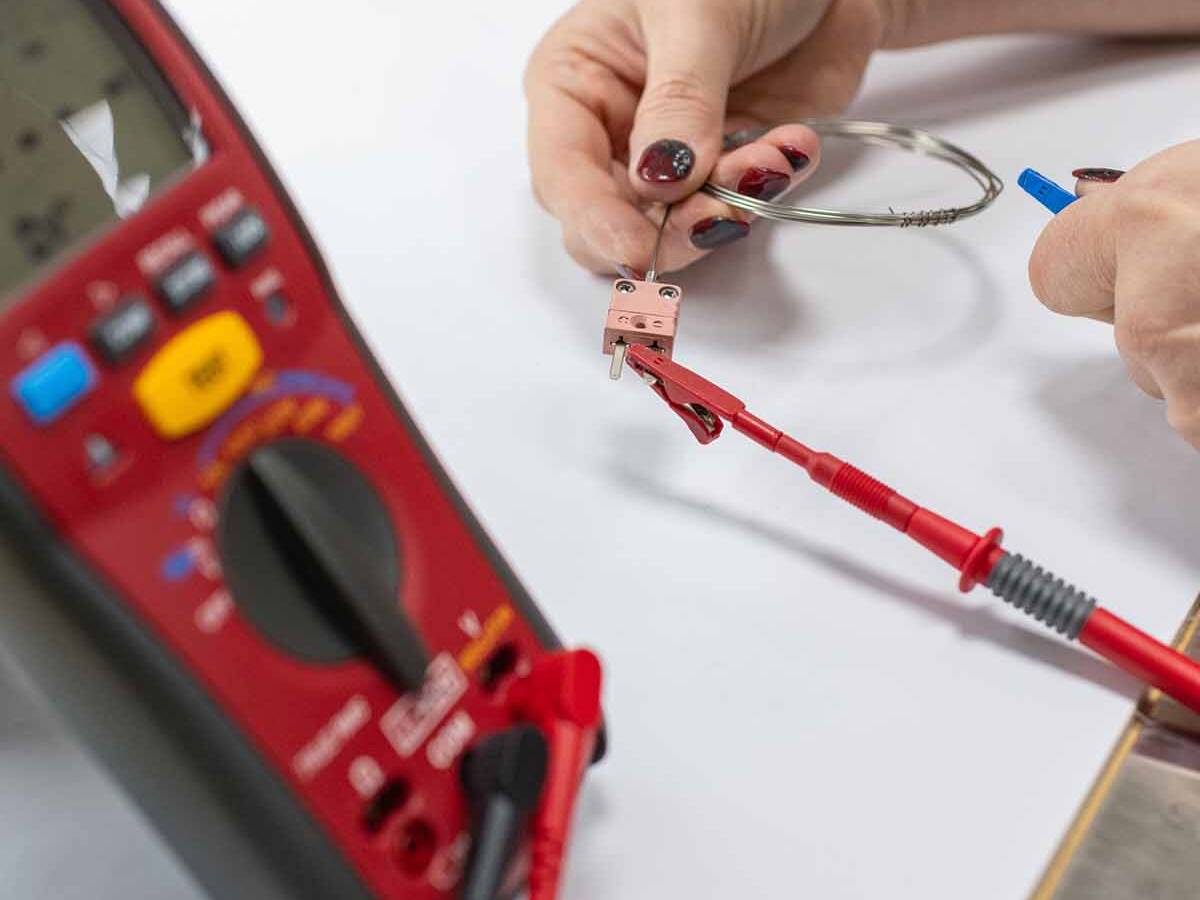
Error 3: Calibration performed too infrequently
➡ Problem: Measurement deviations due to material aging.
Solution: Regular checks using a reference thermometer or comparison measurements.

Our expert tip:

Small improvements, big impact

Choosing the right thermocouple sheath saves costs in the long run. Stainless steel is the standard, but for corrosive environments, there are special sheath materials available, such as Inconel, platinum, and others. In addition, ceramic protection tubes are available for other challenging measurement tasks.

We recommend basing your decision not only on price, but also on the expected service life and intended use.

Conclusion: Accurate measurements lead to better production!

Accurate temperature measurement is not a luxury; in many industrial sectors, it is crucial to quality, safety, and efficiency. Thermocouples are versatile—but they are only effective if they are properly selected, installed, and calibrated.

We hope this post is helpful. If you have any questions or are unsure which thermocouple is right for your application, please feel free to contact us!