Connections, Installation, and Quality Assurance: From Heating Cables to Reliable Heating Solutions.
This is the excerpt for the preview and the preview text at the top
Hi, from Stapelfeld.
A perfectly designed jacket heating conductor is just the beginning. The connection to the power supply, the installation method, and quality assurance determine whether your heating solution will function reliably in the harsh realities of everyday industrial use. In a high-temperature application in toolmaking, choosing the wrong connection can lead to overheating. When heating an extrusion die, the installation method determines the efficiency of heat transfer. And in UHV systems in the semiconductor industry, an undetected leak is not an option.
This guide shows you how to properly connect, install, and qualify your jacket heating conductor for critical applications. From selecting the appropriate power connection and choosing the correct installation method to testing procedures such as helium leak testing and calibration.
Heating Element Connections: Making the Right Connection
The connection to the power supply is a critical interface. Different solutions are used depending on the temperature range, mechanical stress, and electrical requirements.
Ceramic electrical connectors (up to 400°C / 500°C).
Ideal for high temperatures and durable connections. Ceramic components must be protected from heavy mechanical stress, vibration, and impact, as these can cause hairline cracks and fractures.
| Type | Connection Type | Heating element diameter (mm) | Max. operating temperature | Max. Current |
|---|---|---|---|---|
| KS | Pen/Pin | 1.0 – 3.0 | 400°C (briefly 500°C) | 10A – 20A |
| KM4 / KM5 | M4 / M5 threads | 1.0 – 3.0 | 400°C (briefly 500°C) | 10A – 20A |
| KFG | Ceramic head with grub screw | 1.0 – 3.0 | 400°C | 10A – 30A |
| KBK | 2-pin connector (Ø 11 mm) | 1.5 – 2.0 | 400°C | 4A |
| KD5 | Miniature Ceramic Connector (Ø 5 mm) | 1.0 – 1.5 | 200°C | 7A – 10A |
Metal electrical connections (up to 220°C).
| Type | Connection Type | Heating element diameter (mm) | Max. operating temperature |
|---|---|---|---|
| L-HL | Push/Pull Connector | 1,5 - 3,0 | 220°C |
Direct connection using stranded wire (up to 220°C).
A cost-effective and flexible solution for applications without extreme temperature loads at the connection point.
| Type | Heating element diameter (mm) | Max. operating temperature | Max. Current |
|---|---|---|---|
| D5VA | 1,0 - 2,0 | 220°C | 15A |
| D7VA | 1,5 - 4,0 | 220°C | 25A |
Mounting Methods: Proper Heat Transfer.
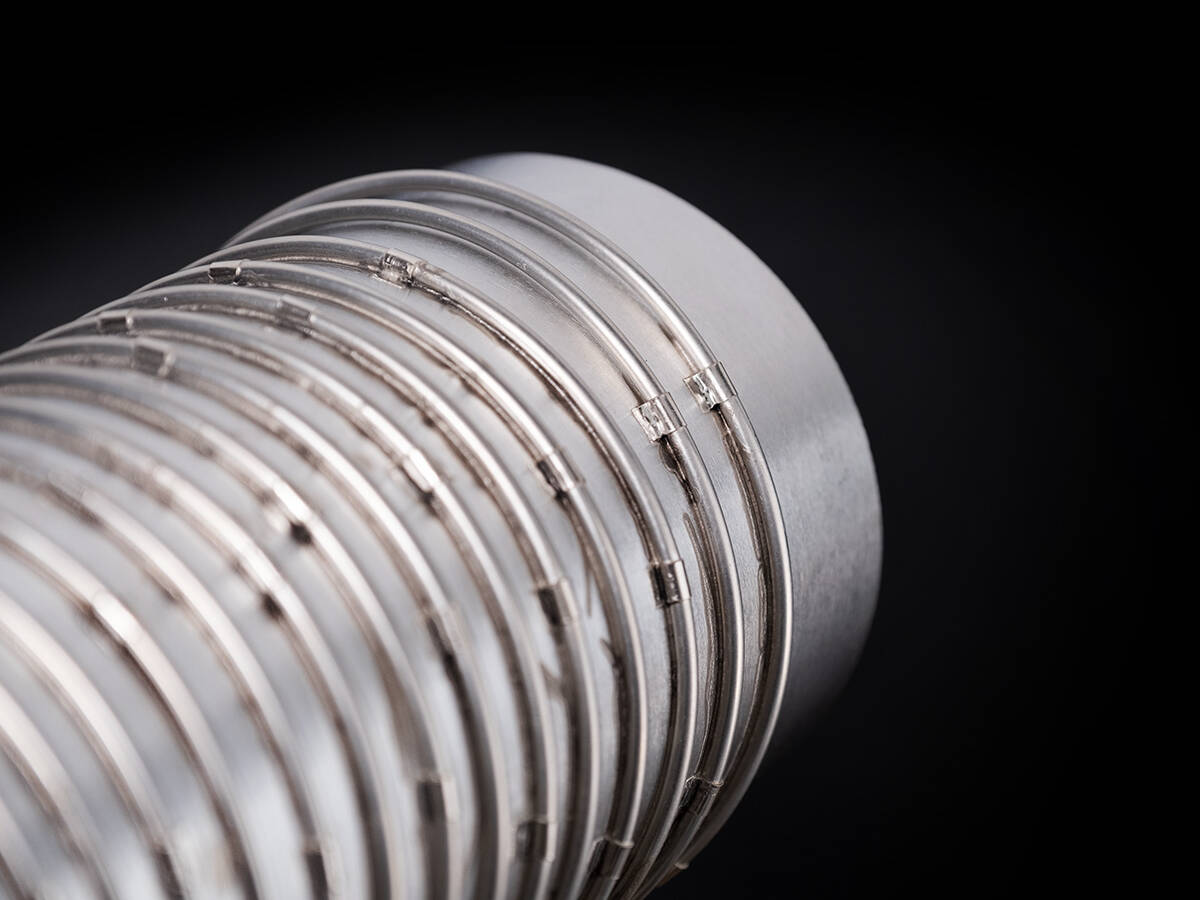
A sheathed heating conductor can only deliver its full performance if heat is efficiently transferred to the component being heated. The method of installation is the decisive factor here. The higher the power (W/m) and the temperature, the better the thermal contact must be. Insufficient heat dissipation can lead to overheating and premature failure of the heating conductor.
Geringe Heizleistung (< 100 W/m oder < 3 W/cm²).
At low temperatures, full-surface thermal contact is not required. Simple mechanical fastening is sufficient.
Typical installation methods:
- Wrap around the component (e.g., pipe heating to prevent freezing)
- Fastening with spot-welded sheet metal strips
- Simple Clamping
Mittlere Heizleistung (< 300 W/m oder < 6 W/cm²).
In the temperature range around 600°C, continuous, solid thermal contact is crucial for ensuring good heat transfer.
Typical installation methods:
- Inserting into a precisely fitting groove
- Surface Brazing
- Clamping between two plates with a specified contact pressure
High heating power (> 300 W/m or > 6 W/cm²).
At high temperatures and under high loads, optimal, full-surface heat transfer must be ensured to prevent heat buildup.
Typical installation methods:
- Insertion into a groove followed by brazing (e.g., hot-runner systems)
- Fully cast in metal (e.g., aluminum, brass) for maximum heat transfer
Quality Assurance: When precision cannot be left to chance.
In the aerospace industry or in UHV systems used in the semiconductor industry, an undetected leak or an inaccurate temperature measurement is simply not an option. Standard products that comply with DIN standards are good, but for cutting-edge applications, an extra level of refinement is needed—tested and certified safety that goes beyond the standard.
Helium leak test.
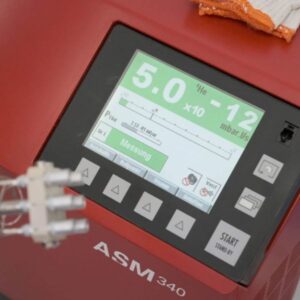
This method is the gold standard for testing the leak tightness of components in vacuum and UHV applications. We test the welds and screw connections on our heating conductors and thermocouples for even the smallest leaks to prevent pressure loss in your system.
Usage:
- Vacuum and Ultra-High Vacuum Processes
- Testing of Welds and Bolted Joints
- Delivery with test report
X-ray inspection.
Non-destructive X-ray testing allows us to see inside the component. This enables us to determine the exact location of a thermocouple’s measurement point or to inspect the quality of an internal weld without damaging the component.
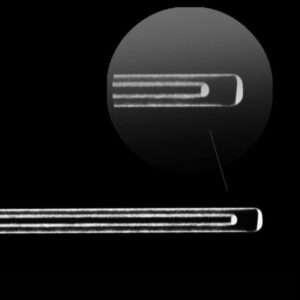
Usage:
- Fault Diagnosis in Installed Components
- Precise Positioning of Measurement Points
- Delivery with X-ray images, including measurements and labels
Calibration.
Standard thermocouples have a tolerance in accordance with DIN EN 60584. If your application requires greater accuracy, we calibrate the sensors using the fixed-point or comparison method. This allows you to determine the exact deviation of each individual sensor and compensate for it in your control system.
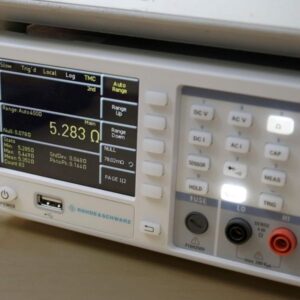
Usage:
- High-Precision Temperature Measurement
- Processes with Multiple Measurement Points
- Delivered with a factory calibration certificate or an official DAkkS calibration certificate
More information that might interest you
Installation Methods for Sheath Heating Cables
This is the excerpt for the preview and the preview text at the top
0 Comments8 Minutes
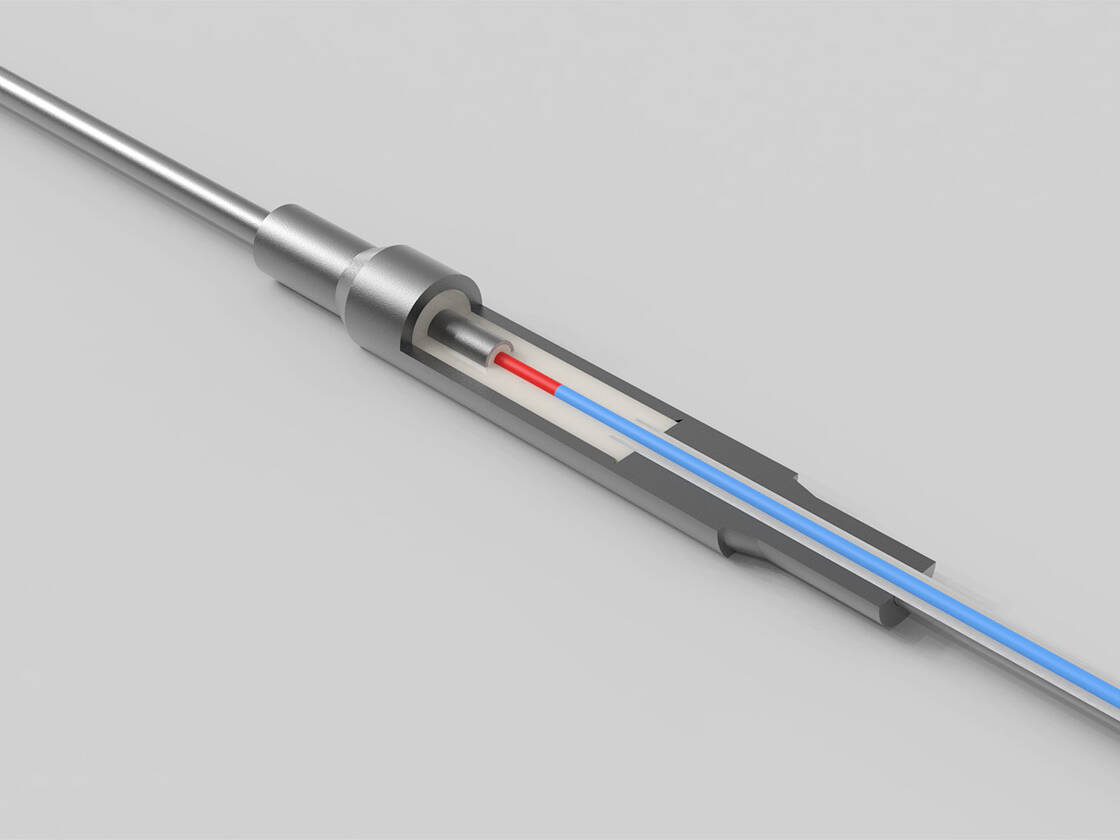
Mineral-insulated sheathed heating cables with attached, seamless cold ends
Mineral-insulated heating cables without cold ends can be used reliably up to about 400 °C. If…
0 Comments9 Minutes
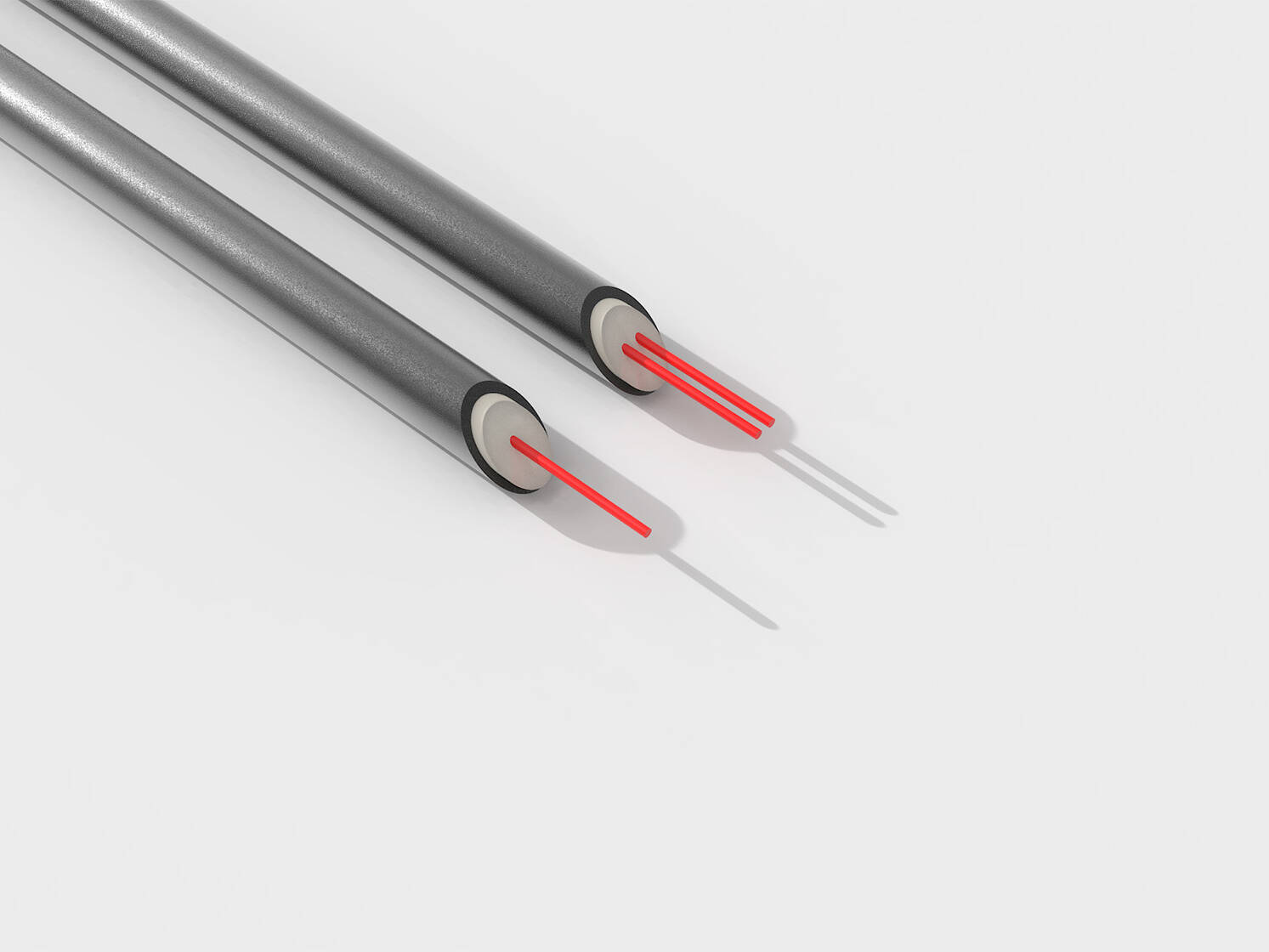
Single- and two-conductor sheathed cables: The foundation for your heating solution.
Mineral-insulated sheathed heating cables—single-conductor or twin-conductor? This fundamental decision…
0 Comments9 Minutes
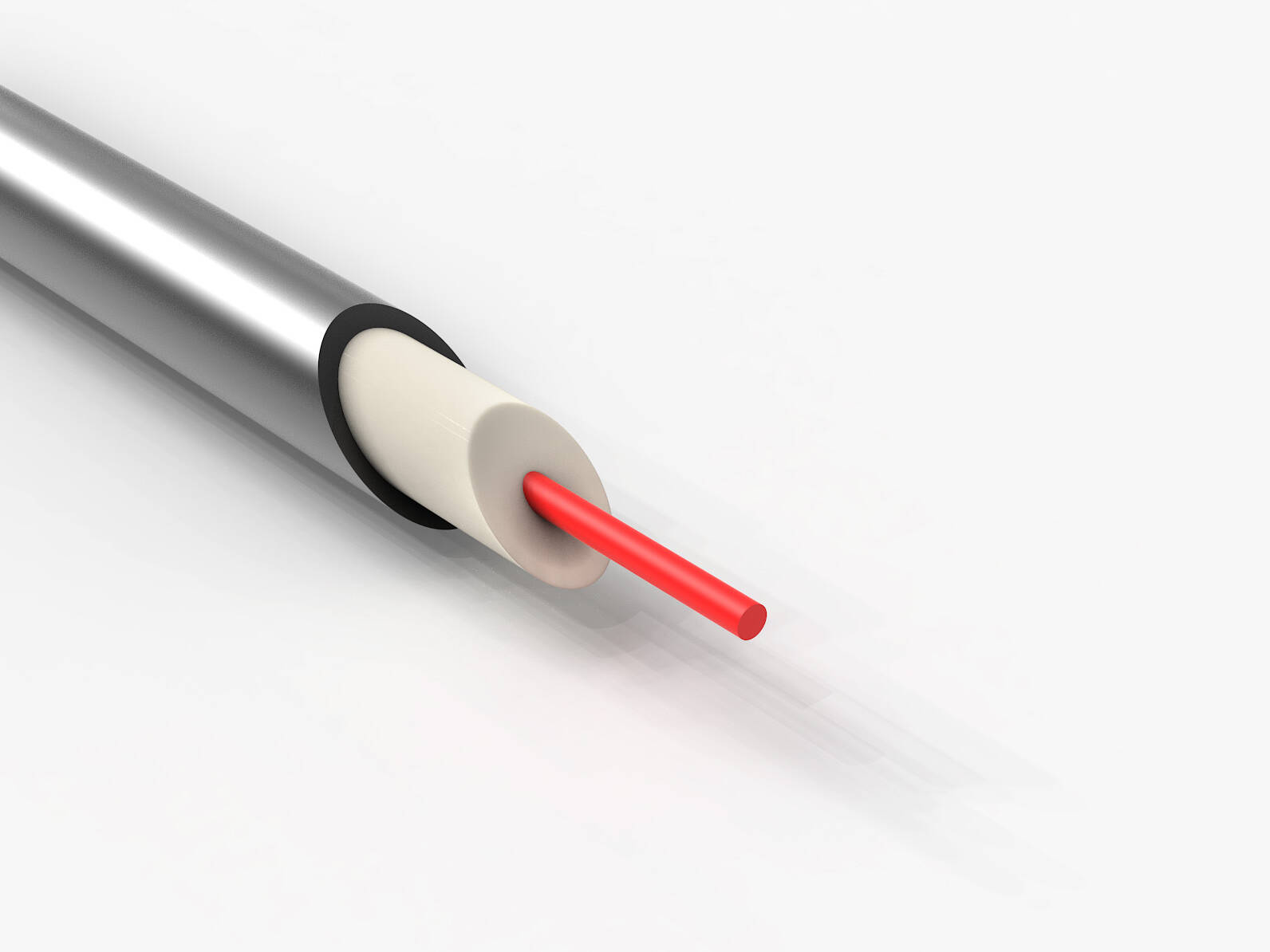
Mineral-Insulated Sheathed Heating Cables: Technical Guide for Technicians & Engineers.
In demanding industries such as aerospace, semiconductor technology, and high-end mechanical engineering…
0 Comments10 Minutes
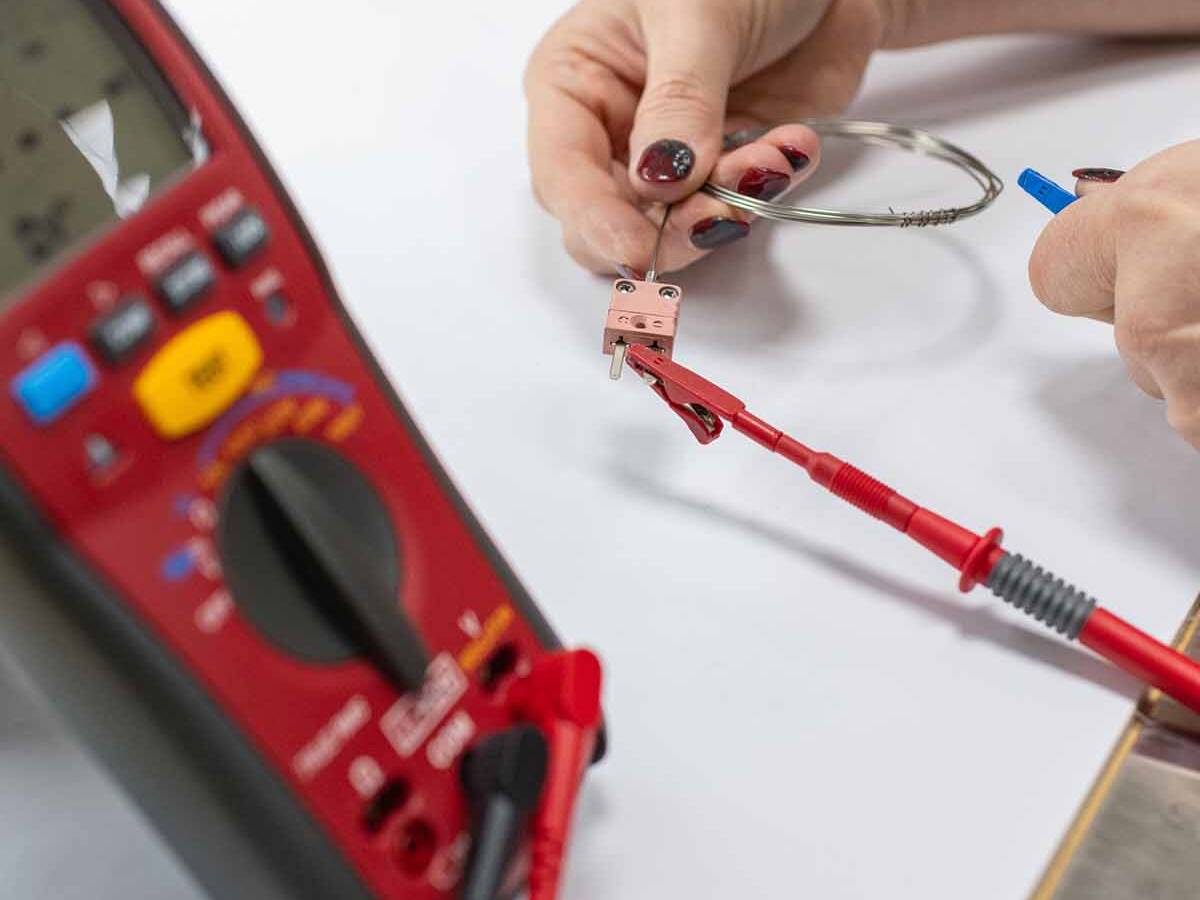
How to Calibrate a Thermocouple Correctly – A Practical Guide.
How to Calibrate Thermocouples Correctly! A practical guide with methods, tips, and…
0 Comments6 Minutes
How to Choose the Right Thermocouple – A Guide for Industry.
Which Thermocouple Is Right for You? A Practical Guide to Types, Materials, &…
0 Comments7 Minutes
Focus on Thermocouples – Why Precise Temperature Measurement Is Important.
Accurate temperature measurement is not just an option—it is essential. Thermocouples are far…
0 Comments5 Minutes