
Hi, from Stapelfeld.
In industries such as aerospace, semiconductor technology, and specialized mechanical engineering, there is zero tolerance for errors. When a temperature must be maintained with precision or a surface, object, or process must be heated reliably, standard solutions are often insufficient. The challenge for engineers and technicians is to find a solution that can withstand high temperatures, mechanical stress, harsh environments, or vacuum conditions over the long term. This is exactly where mineral-insulated sheathed cable comes into play.
In this comprehensive guide, we explain the structure, the key differences between the various types, and how to choose the right sheath heating conductor for your application—from a simple mineral-insulated sheathed cable. A must-read for anyone responsible for technical design in demanding projects.
Why use mineral-insulated sheathed cables?
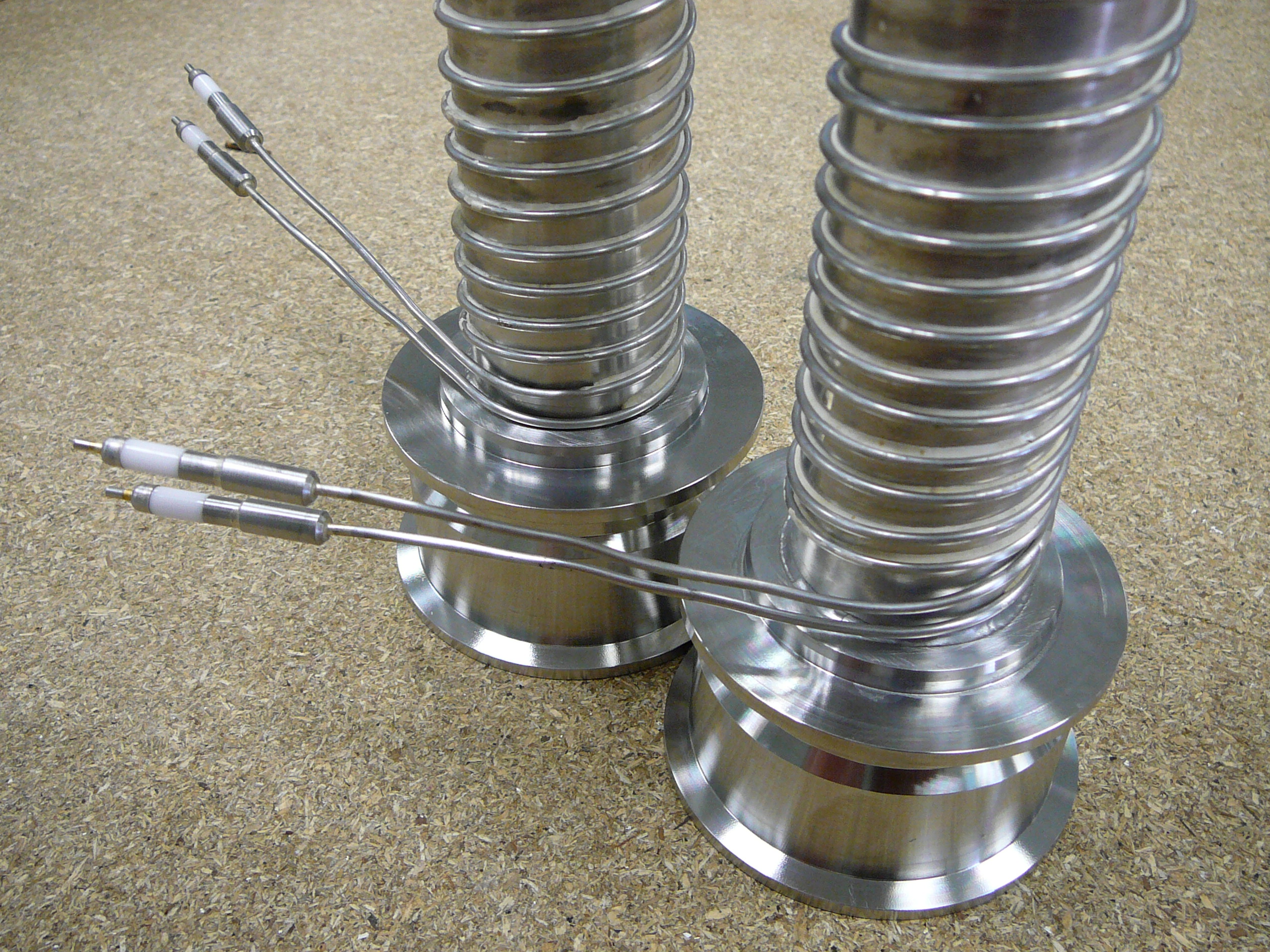
Whether you need to heat a radiant heater to 850°C in an UHV vacuum, want to maintain constant temperatures for functional units in space, or require precise or varying temperature zones in semiconductor manufacturing: mineral-insulated sheathed cables offer the robustness, flexibility, and temperature resistance that conventional heating elements cannot match. With operating temperatures up to 1000°C, bend radii of up to 2–3 times the outer diameter, and a power range from a few watts to several kilowatts, they cover virtually every conceivable application requirement.
But choosing the right options is crucial. An unsuitable sheath material, incorrect wire resistance, or poorly manufactured connections can drastically shorten the service life or, in the worst case, cause the heating conductor to fail. That’s why we’ve compiled the most important technical information for you: from the basics to detailed product specifications and practical calculation examples.
What You'll Find in This Guide:
- Basic Construction and Operating Principle:Understand how the inner conductor, magnesium oxide insulation, and jacket material work together.
- Single-wire vs. two-wire versions:When should you use which one? What are the advantages and disadvantages?
- Complete Product Tables:All available diameters, resistances, and jacket materials at a glance.
- Choosing a Material:Stainless Steel 1.4541 or Inconel 600? We explain the differences and when to use each material.
- Tolerances and Their Significance:Why ±0.10 mm for diameter and ±10% for resistance are critical to your design.
- Sheathed Heating Cables with Attached Cold Ends:How Connecting Sleeves Enable Precise Heating Cable Lengths.
- Sheathed heating cables with seamless cold ends:The solution for applications up to 1000°C, flexibility in installation, and for temperatures exactly where they are needed.
- Connections and Installation:From ceramic electrical connections to the optimal connection cable.
- Advanced Services:Helium leak testing, X-ray inspection, and heat-up testing for your applications are available upon request.
This guide is intended for engineers, designers, and technicians who are not just looking for a heating solution, but for therightheating solution for their specific application. Let’s work together to navigate the complexities and find the optimal solution for your project.
Ready? Then let's start with the basics.
What are mineral-insulated sheathed heating cables?
Mineral-insulated heating cables are electrical heating elements known for their robustness, flexibility, and high-temperature resistance. They can be used for a wide range of applications, from generating a few watts to several kilowatts of heating power. Thanks to their unique design, they can reach temperatures of up to 1000 °C and maintain small bend radii. This makes them ideal for complex requirements and demanding environments.
The Structure: A Combination of Three Strong Components
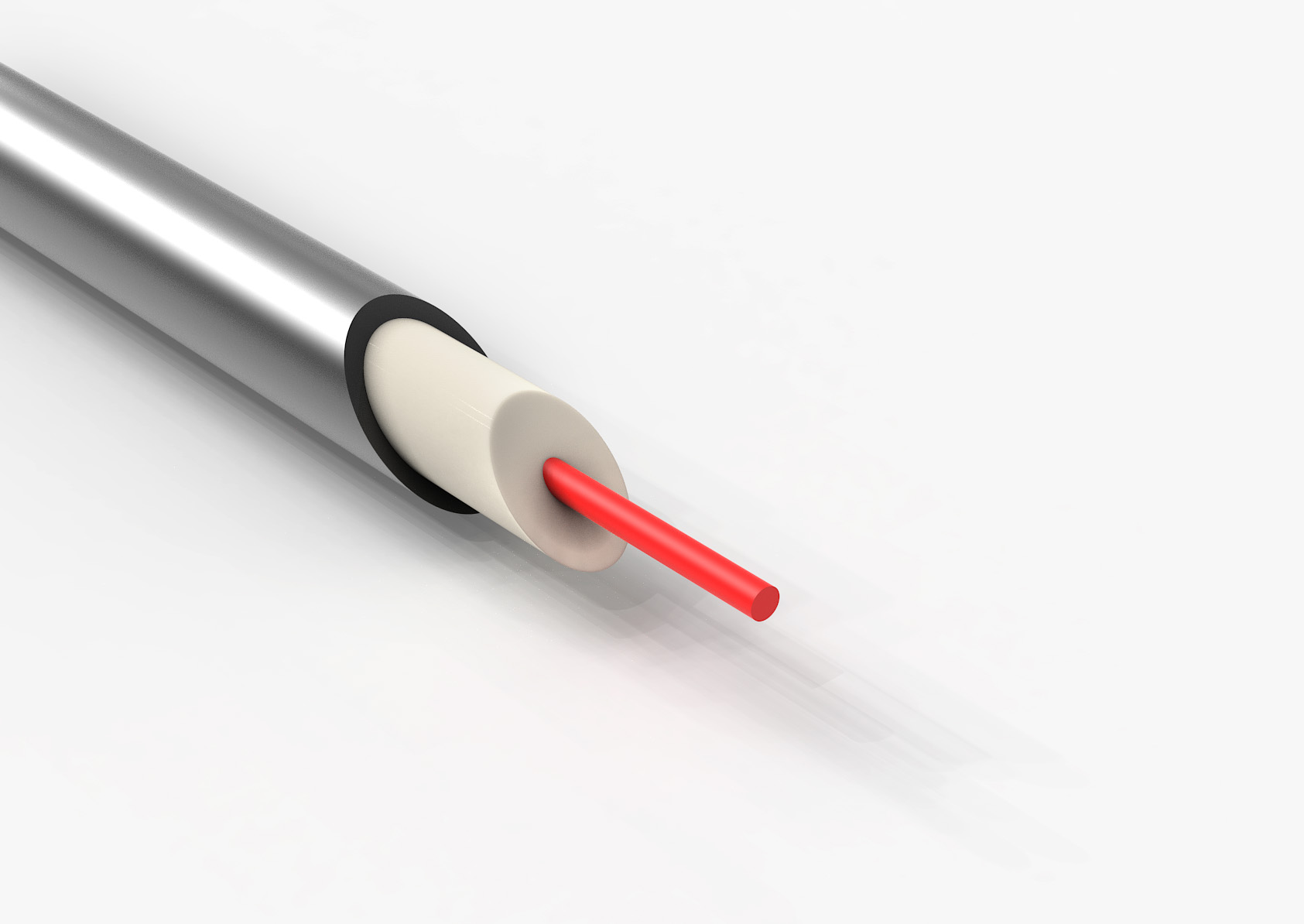
The key to the performance of mineral-insulated sheathed heating cables lies in their three-part construction: At its core, a mineral-insulated sheathed cable is a highly compact and technologically sophisticated design.
It consists of three main components:
 |
 |
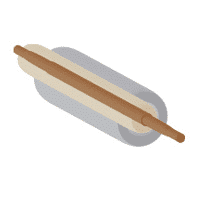 |
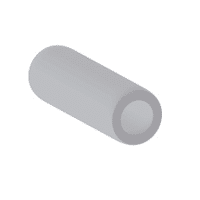
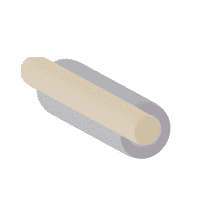
| Outer jacket: A metal tube (made of stainless steel or Inconel) that protects the cable from mechanical stress and environmental factors. | Insulation: High-purity, compacted magnesium oxide (MgO), which electrically insulates the inner conductors from the jacket while also providing excellent thermal conductivity. | Inner conductors: Single- or two-strand metallic resistance wires that serve as current-carrying inner conductors. |
This design gives the cable its exceptional properties:
The insulation separates the inner conductor from the outer sheath, ensuring that the sheathed cable does not carry current on the outside. It offers high temperature resistance up to 1000°C, gas-tightness, flexibility, and extreme resistance to mechanical stress, vacuum, and aggressive environmental conditions. A mineral-insulated sheathed cable is therefore the first choice for critical heating applications.
The Inner Wire:The core of the mineralized heating element is the inner wire, which is typically made of a high-quality nickel-chromium alloy (NiCr) or nickel. This material is known for its high electrical resistance and excellent temperature resistance, which ensure efficient and stable heat transfer.
Insulation:Highly pure and densely packed magnesium oxide (MgO) is used to insulate the current-carrying inner conductor from the outer jacket. This material is an excellent electrical insulator, but it also conducts heat very well. This property ensures rapid and efficient heat transfer from the inner conductor to the outer jacket.
The Sheath Material:The outer sheath of the mineral-insulated heating conductor protects against corrosion, mechanical stress, and chemical exposure. Depending on the application, various types of stainless steel or Inconel 600® are used. These materials are durable and ensure a long service life for the heating conductor, even under harsh conditions.
Heating solution
The Key Benefits at a Glance
The unique material properties and sophisticated design of mineral-insulated sheathed heating cables offer a number of advantages:
- High flexibility:With bend radii of only two to three times the outer diameter, the heating conductors can be bent, coiled, or embedded in workpieces into virtually any conceivable shape. This enables customized heating solutions for complex geometries.
- Extreme temperature resistance:Its ability to withstand temperatures of up to 1000 °C makes it the ideal choice for high-temperature applications in industry and research.
- Excellent heat transfer:Thanks to the highly compacted magnesium oxide insulation, the generated heat is quickly and efficiently transferred to the surface being heated. This ensures short heat-up times and uniform temperature distribution.
- Wide Range of Performance:Whether you need low wattage for sensitive sensors or several kilowatts for industrial processes, jacket heating elements can be designed to meet a wide variety of requirements.
- Versatile Applications:With a variety of diameters, resistances, lengths, and sheath materials available, there is a suitable sheathed heating conductor for virtually every application.
Applications:
Where are jacket heating elements used?
The versatility of mineral-insulated sheathed heating cables is reflected in their numerous applications:
- Machinery and Plant Engineering:Heating of nozzles, heating plates, copper components, UHV vacuum plates, sealing jaws, welding heads, and other machine parts.
- Plastics Industry:Temperature control of injection molding tools and extruders.
- Research and Development:Precise heating in laboratory equipment, analytical instruments, prototypes, and test setups. But also in new technologies such as fuel cells and fusion reactors.
- Chemical Industry:Heating of pipes, valves, and tanks to maintain process temperatures.
- Semiconductor Industry:Targeted Heat Transfer in Production Processes Using Radiant Heaters, Heating Plates, and Wafers
- Aerospace: De-icing of piping systems and lines, thrusters and heating systems, as well as maintaining the functionality of electronic and mechanical components on satellites and probes in space.
- Military Technology & Defense: Heating of optical units and components, fuel cells and propulsion systems, as well as preheating of engines and equipment.
- Analysis & Medical Technology: Adsorption columns, heating plates with cooling, heating stamps, or seals
Customized solutions for your specific needs
No two applications are alike. That’s why ThermoExpert Deutschland GmbH offers not only mineral-insulated sheathed cable by the meter, but also fully assembled and custom solutions. Whether single-core or twin-core, with special connection leads or metal-ceramic power connectors—you’ll receive a heating solution tailored precisely to your needs. We can handle everything from prototype and research projects to mass production for European industry.
Product Variants and Delivery Options:
- Fabric sold by the meter, up to 1,000 m per order
- 1-wire or 2-wire versions as sheath heating conductors
- Ready-made solutions:
with connecting cables
Metal-Ceramic Electrical Connections
- Custom Cables According to Specifications
Conclusion: The flexible and robust choice for demanding heating applications
Mineral-insulated heating cables are a technologically advanced and extremely reliable solution for a wide range of industrial heating applications. Their combination of flexibility, high-temperature resistance, and excellent heat transfer makes them an indispensable tool for engineers and technicians. If you’re looking for a precise, durable, and adaptable heating solution, ThermoExpert’s mineral-insulated heating cables are the right choice.
Do you have any questions or need advice for your specific project?
Contact the experts at ThermoExpert for a customized solution!